The Cashless Economy Myth: Why Small Businesses Still Need Cash in 2026
The Cashless Economy Myth: Why Small Businesses Still Need Cash in 2026
Open any business publication and you will find another article declaring the death of cash. Contactless payments are surging. Digital wallets are everywhere. Crypto is supposedly replacing traditional currency. If you listen to the headlines, physical money should have disappeared years ago.
And yet, here we are in 2026, and cash is not just surviving — it is thriving in the spaces where small businesses actually operate. The "cashless economy" narrative is not wrong about the direction of large-scale retail, but it fundamentally misunderstands how money moves through small businesses, local communities, and the Florida economy in particular.
What the Data Actually Says
The Federal Reserve's most recent Diary of Consumer Payment Choice shows that cash still accounts for roughly 20% of all transactions in the United States. For transactions under $25 — the bread and butter of many small businesses — that number climbs even higher, with cash representing nearly 30% of small-dollar payments.
But the national averages only tell part of the story. When you drill into the data, several patterns emerge that matter enormously for Florida business owners:
- Cash usage is higher among consumers aged 18-34 than many assume — younger adults use cash for budgeting, privacy, and splitting costs with friends
- Lower-income communities rely disproportionately on cash, and refusing it effectively excludes a significant customer segment
- Tipped industries see 40-60% of tips in cash, even when the underlying transaction is on a card
- Rural and suburban areas maintain higher cash usage rates than major metropolitan centers
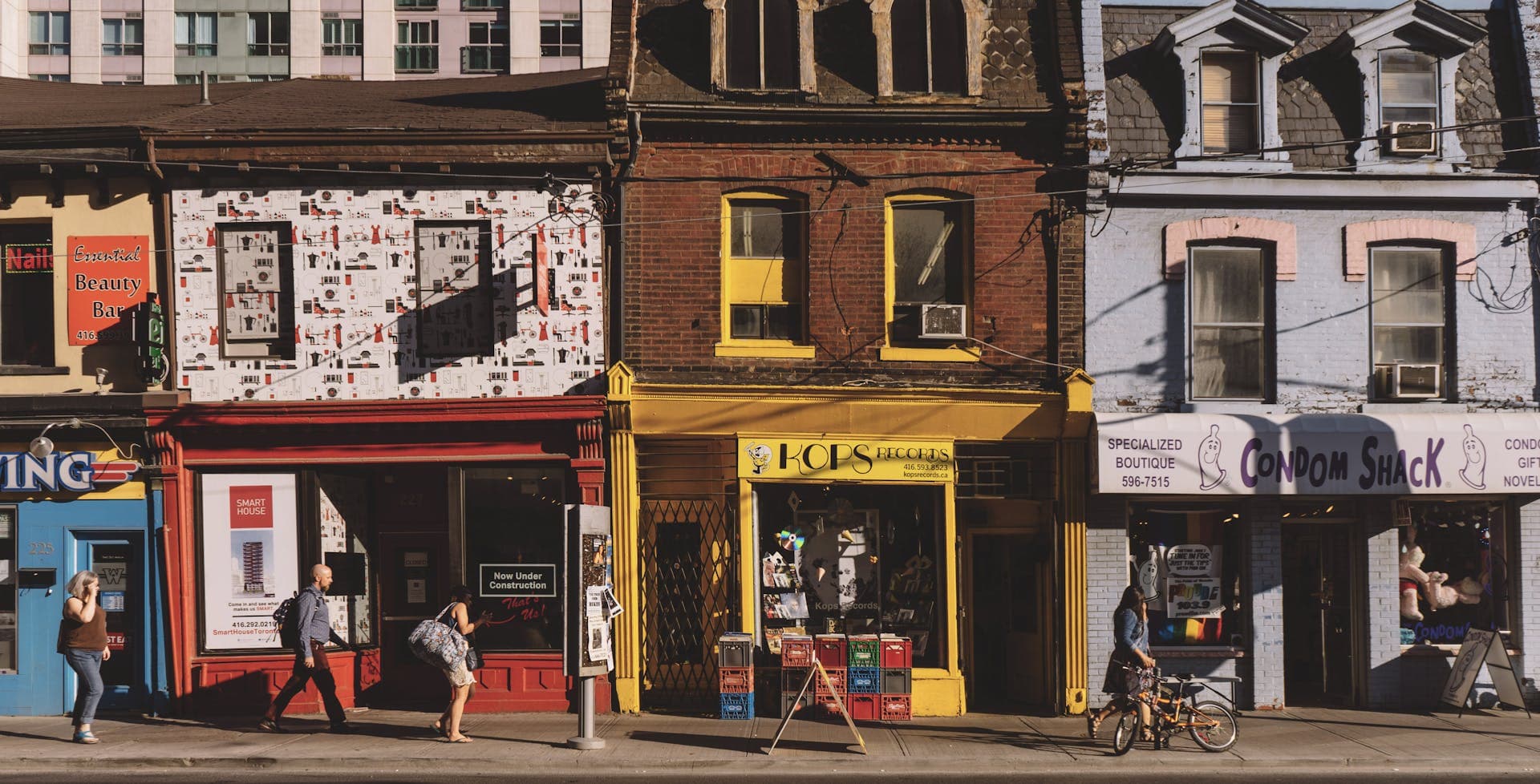
The narrative of a cashless future is being written from the perspective of tech-forward urban centers and large retailers. It does not reflect the reality on the ground for a convenience store in Ocala, a bar in Ybor City, or a seafood shack in the Keys.
Small Businesses Experience Cash Differently
There is a fundamental disconnect between how large corporations and small businesses relate to cash transactions.
For a major retailer, cash is an operational complexity. It requires counting, armored transport, bank deposits, and loss prevention protocols. At scale, these costs are significant, and the push toward digital payments is partly about reducing that overhead.
For a small business, the equation is completely different:
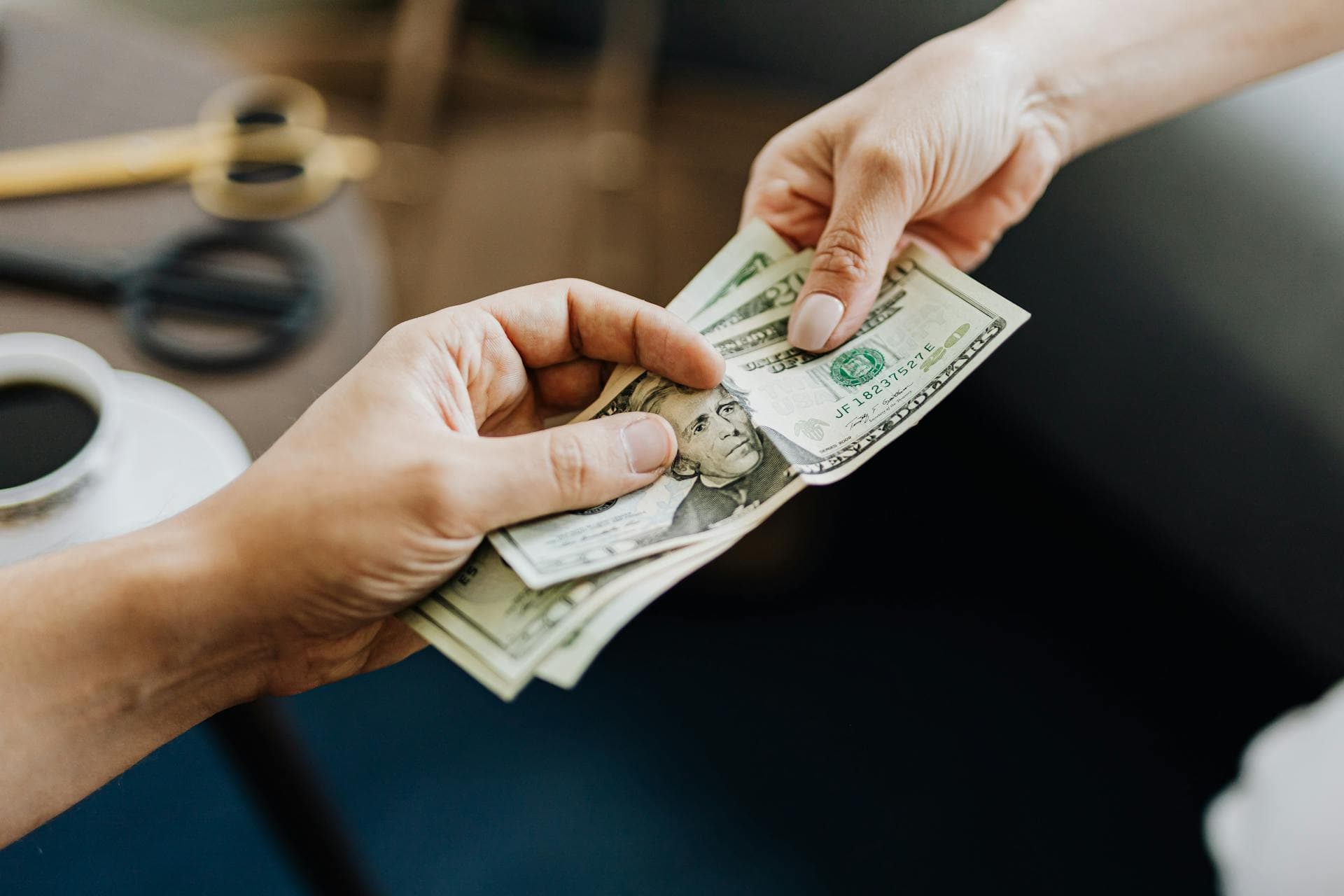
Cash transactions have zero processing fees. When a customer pays $20 in cash, you receive $20. When they pay $20 on a card, you receive somewhere between $19.40 and $19.70 after interchange fees, payment processor margins, and monthly service charges. On thin margins, that 2-3% difference is meaningful — and it compounds across every single transaction.
Cash settles instantly. There is no waiting 24-72 hours for batch processing. No holds. No chargebacks. No disputes where a customer claims they did not authorize a purchase and the payment processor sides with them by default.
Cash does not require technology. No POS system, no internet connection, no card reader firmware updates at the worst possible moment. Cash works during power outages, system crashes, and internet disruptions. For small businesses in Florida — where hurricane season is a yearly reality — that resilience is not trivial.
The International Tourist Factor
Florida is one of the most internationally visited states in the country, and this has direct implications for cash demand.
International tourists carry cash for several practical reasons:
- Avoiding foreign transaction fees that can add 1-3% to every card purchase
- Managing exchange rates by converting currency in advance rather than relying on dynamic conversion at point of sale
- Ensuring payment acceptance in a country where their home bank's card may not always work seamlessly
- Budgeting their trip by allocating specific amounts of cash for daily spending
When a Brazilian family walks into your restaurant, a British couple visits your gift shop, or a Canadian snowbird stops at your convenience store, there is a strong chance they are looking to pay with cash. If you cannot accommodate that — or if they cannot easily access cash nearby — you are losing that sale entirely.
In tourism-heavy regions like Orlando, Miami, Tampa, and the Gulf Coast, this is not an edge case. It is a daily reality that affects revenue.
The Hidden Cost of Going Card-Only
Some businesses have experimented with going cashless, and the results have been instructive.
Customer exclusion is real. Approximately 5.9 million American households are unbanked — they do not have a checking or savings account. Another 18.7 million are underbanked. These are not obscure statistics; these are your neighbors, your potential customers, and in many cases, your most loyal local clientele. Going cashless tells them they are not welcome.
Processing fees add up fast. A business doing $500,000 in annual revenue and running everything through card payments is paying $12,500 to $17,500 per year in processing fees. For a small business, that is a part-time employee's salary. It is a new piece of equipment. It is the difference between profitability and breaking even.
System outages happen. In 2025 alone, there were multiple high-profile payment processing outages that left card-only businesses unable to accept any payment for hours at a time. When your card reader goes down and you do not accept cash, you do not just lose efficiency — you lose every sale until the system comes back online.
Legal and ethical considerations are emerging. Several states and cities have passed laws prohibiting cashless businesses, recognizing that refusing cash discriminates against unbanked and underbanked communities. Florida has not yet passed such a law, but the trend is clear, and businesses that go cashless may find themselves on the wrong side of future regulation.
Cash as a Resilience Strategy
The smartest small business owners in Florida do not think of cash as outdated. They think of it as a resilience strategy.
When Hurricane Ian hit Southwest Florida in 2022, businesses that could accept cash continued operating while card-only establishments sat idle. And it is not just hurricanes — internet outages, card reader malfunctions, and payment processor crashes happen regularly. Every one of these scenarios is a moment where cash keeps your business running.
The Balanced Approach
The winning strategy for small businesses is not cash or cards — it is cash and cards. The businesses that thrive make it easy for every customer to pay however they prefer. That means accepting digital payments while ensuring cash access for the customers who need it.
For many businesses, this means having an ATM on-site — not because cash is the future of all payments, but because it is a permanent part of how a significant segment of your customers want to transact.
The Bottom Line for Florida Business Owners
Cash is not dying. It is evolving, and its role in small business economics is more important than the headlines suggest. The businesses that ignore cash are leaving money on the table — literally.
If you want to make sure your business is accessible to every customer who walks through your door, including tourists, local families, and cash-preferred consumers, having convenient cash access on-site is one of the easiest steps you can take.
Find out how a free ATM placement can keep cash flowing at your business — reach out today and see if your location qualifies.