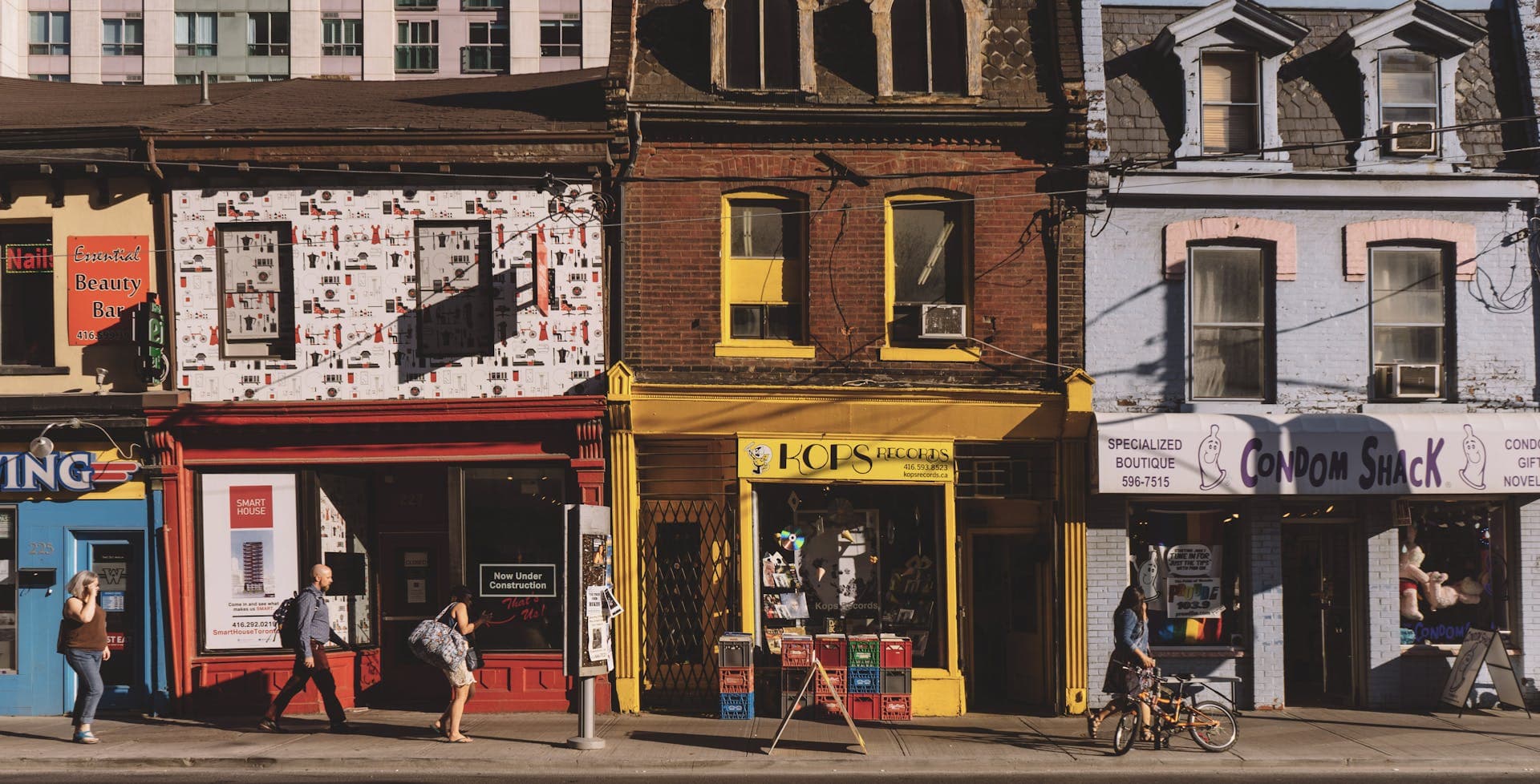
Why Foot Traffic Is the Most Underrated Metric for Small Businesses
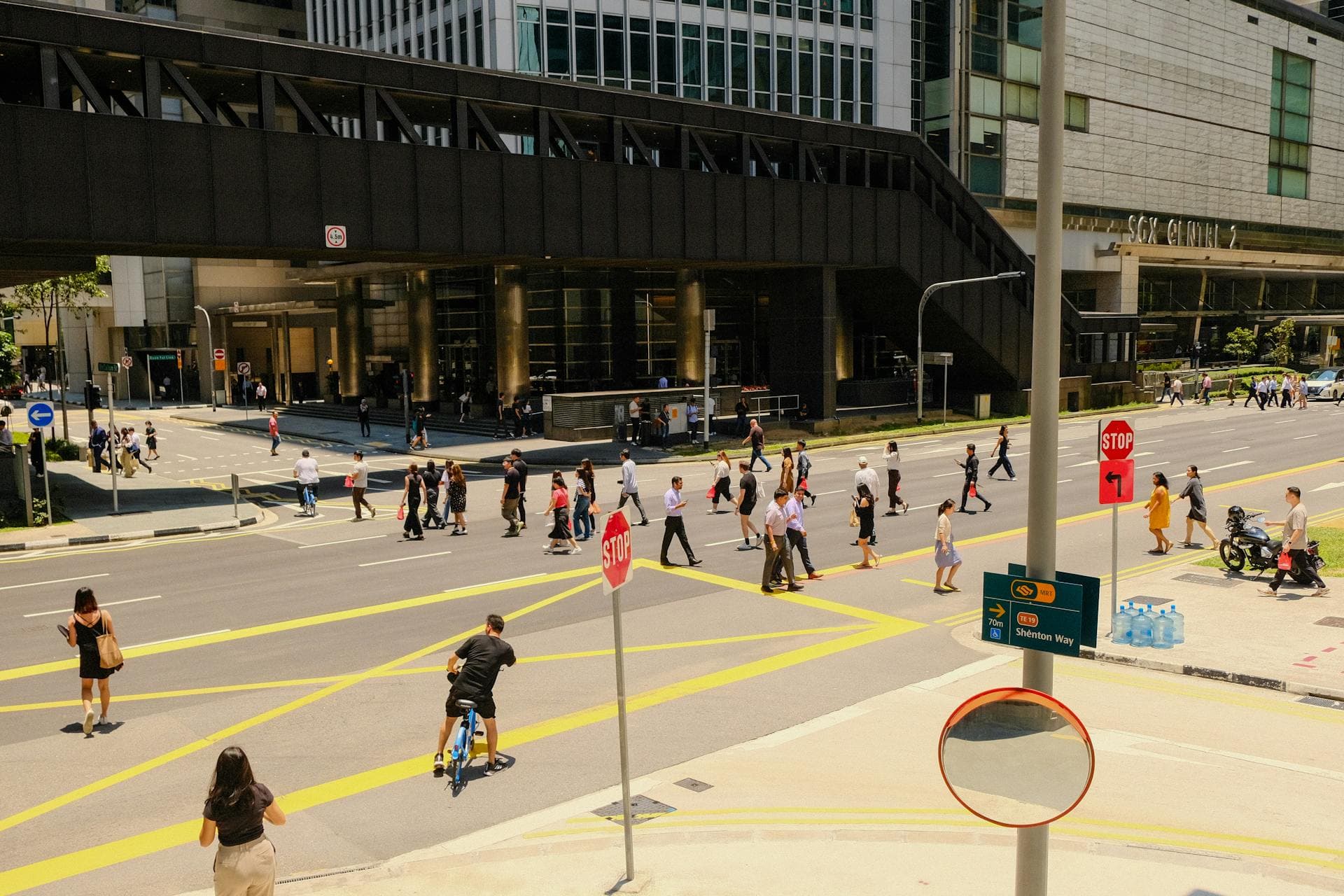
Why Foot Traffic Is the Most Underrated Metric for Small Businesses
Open the dashboard of any small business in 2026 and you will find a dizzying array of metrics. Instagram impressions. Google Ads click-through rates. Email open percentages. Website bounce rates. Conversion funnels. Cost per acquisition.
Now ask that same business owner a simple question: how many people walked into your store today?
Most cannot answer with any confidence. And that disconnect is costing them more than they realize.
The Metric That Actually Pays the Bills
For brick-and-mortar businesses — restaurants, retail shops, bars, salons, convenience stores, laundromats, and every other business that depends on physical customers — foot traffic is the foundational metric. Everything else is downstream.
Your Instagram following does not pay rent. Your email list does not cover payroll. Your Google Ads spend only matters if it translates into people physically entering your business and spending money.
This is not an argument against digital marketing. It is an argument for keeping the most important number in focus. A restaurant with 500 Instagram followers and 200 daily customers is in a far stronger position than one with 50,000 followers and 80 daily customers. The first business has a marketing problem it can fix. The second has a fundamental traffic problem that no amount of content creation will solve.
Why Foot Traffic Gets Ignored
There are a few reasons small business owners tend to undervalue foot traffic relative to digital metrics.
Digital metrics are easy to measure. Platforms hand you dashboards with precise numbers, colorful graphs, and week-over-week comparisons. Foot traffic requires either manual counting, investing in sensor technology, or using proxy measurements like transaction counts.
The marketing industry emphasizes digital. When you hire a marketing consultant or agency, they almost always focus on online channels because those are the channels they control and can report on. Very few marketers talk about physical foot traffic because it is harder to attribute to their work.
Attribution is messy. Did that customer walk in because of your Google listing, your sidewalk sign, your word-of-mouth reputation, or because they happened to be parked nearby? Usually it is some combination, and that ambiguity makes business owners uncomfortable. Digital metrics offer the illusion of precision that foot traffic does not.
But ignoring foot traffic because it is harder to measure is like ignoring revenue because it is harder to grow than followers. The difficulty of the metric does not diminish its importance.
How to Measure Foot Traffic Without Expensive Technology
You do not need a $10,000 sensor system to start tracking foot traffic. Here are practical approaches that work for small businesses on any budget.
Transaction counts as a proxy. Your POS system already tracks how many transactions you process each day. While not every person who walks in makes a purchase, transaction count is a reliable directional indicator. If transactions go up, foot traffic almost certainly did too.
Manual counting during peak hours. Have a staff member do a simple headcount during your busiest two-hour window each day. Track it in a spreadsheet. After 30 days, you will have a surprisingly useful baseline and the ability to spot trends.
Google Business Profile insights. Google provides data on how many people searched for your business, requested directions, and clicked to call. These are leading indicators of foot traffic. A spike in direction requests almost always correlates with a spike in visits.
Compare to weather and local events. Foot traffic for most businesses correlates strongly with weather and nearby events. Tracking these variables alongside your traffic counts helps you separate what you can control from what you cannot.
The goal is not perfect measurement. It is directional awareness — knowing whether foot traffic is trending up, down, or flat so you can make informed decisions.
What Actually Drives Foot Traffic
This is where the conversation gets practical. Once you start paying attention to foot traffic, the natural next question is: what can I do to increase it?
Digital marketing is one lever, but it is far from the only one — and often not the most effective one for small businesses with limited budgets.
Signage and Visibility
The single most underinvested foot traffic driver for small businesses is physical signage. A clear, well-lit, professionally made sign that is visible from the street and the parking lot does more for daily foot traffic than most digital campaigns.
Consider these questions:
- Can someone driving by at 35 mph read your sign and understand what you offer?
- Is your sign illuminated so it works after dark?
- Do you have any secondary signage — A-frames, window graphics, or directional signs — guiding people to your entrance?
Many business owners set up their signage when they first opened and have not thought about it since. But signage degrades, surroundings change, and new competitors appear. A fresh evaluation of your physical visibility is almost always worth the time.
Google Maps Presence
For a growing number of customers, the journey to your door starts with a Google Maps search. "Restaurants near me." "Convenience stores open now." "ATM near me." If your Google Business Profile is incomplete, has outdated hours, or lacks recent photos and reviews, you are invisible to this traffic.
Actionable steps:
- Verify that your hours, phone number, and address are accurate
- Upload fresh photos at least once a month
- Respond to every review — positive or negative
- Add relevant attributes (wheelchair accessible, cash accepted, free Wi-Fi, etc.)
- Post updates about specials, events, or seasonal changes
Businesses that actively manage their Google presence consistently report higher foot traffic than competitors who set it and forget it.
Anchor Tenants and Neighbors
Your foot traffic is heavily influenced by who is around you. A coffee shop next to a busy gym benefits from the gym's traffic. A convenience store near a laundromat benefits from people killing time while they wait.
You cannot always choose your neighbors, but you can lean into the traffic they generate. If the business next door draws a certain crowd, think about what that crowd might want from you. If a nearby anchor tenant has seasonal traffic patterns, adjust your staffing and inventory accordingly.
Amenities People Seek Out
Here is a foot traffic strategy that most business owners overlook entirely: becoming a destination for a specific amenity.
People search for ATMs, restrooms, Wi-Fi, phone charging stations, and other practical necessities throughout their day. Every one of those searches represents a potential customer who needs something you can provide — and who will likely spend money while they are in your store.
The ATM-as-destination effect is well documented. Industry data shows that ATM users spend 20-25% of their withdrawal at the host location. A customer who came in only to get cash frequently leaves with a purchase. Over the course of a month, this adds up to meaningful revenue from customers you would never have reached through marketing alone.
Other amenity-driven strategies include:
- Free Wi-Fi with a visible network name that includes your business name
- Clean, accessible restrooms that you note on your Google listing
- Phone charging stations at seating areas
- Package pickup or drop-off through partnerships with delivery services
Each of these gives someone a reason to walk through your door who might not have otherwise.
Word of Mouth and Community Presence
The oldest foot traffic driver is still one of the most powerful. People trust recommendations from friends, family, and neighbors more than any ad. Sponsoring a local sports team, participating in community events, or simply being a consistent and welcoming presence in your neighborhood builds the kind of organic awareness that no marketing budget can buy.
Stop Chasing Vanity Metrics
Here is the uncomfortable truth: a lot of what small businesses spend time and money on in 2026 produces impressive-looking numbers that do not translate to revenue. A viral social media post might generate 100,000 impressions but zero new customers. A beautifully designed email campaign might achieve a 35% open rate but not move the needle on sales.
Foot traffic is the metric that connects everything else to actual business performance. If your marketing, signage, location strategy, and customer experience are working, foot traffic goes up. If they are not, it does not.
Start measuring it. Start prioritizing it. And start investing in the things that drive people through your door — not just to your website.
One Simple Way to Increase Foot Traffic Today
If you are a Florida business owner looking for a proven, zero-cost way to drive more people into your location, a free ATM placement is one of the most effective options available. Customers search for nearby ATMs every day, and when yours shows up, they walk in. Contact us to learn about free ATM placement for your business — no cost, no maintenance, no risk.