The Psychology of Cash: Why Customers Spend More with Physical Money
The Psychology of Cash: Why Customers Spend More with Physical Money
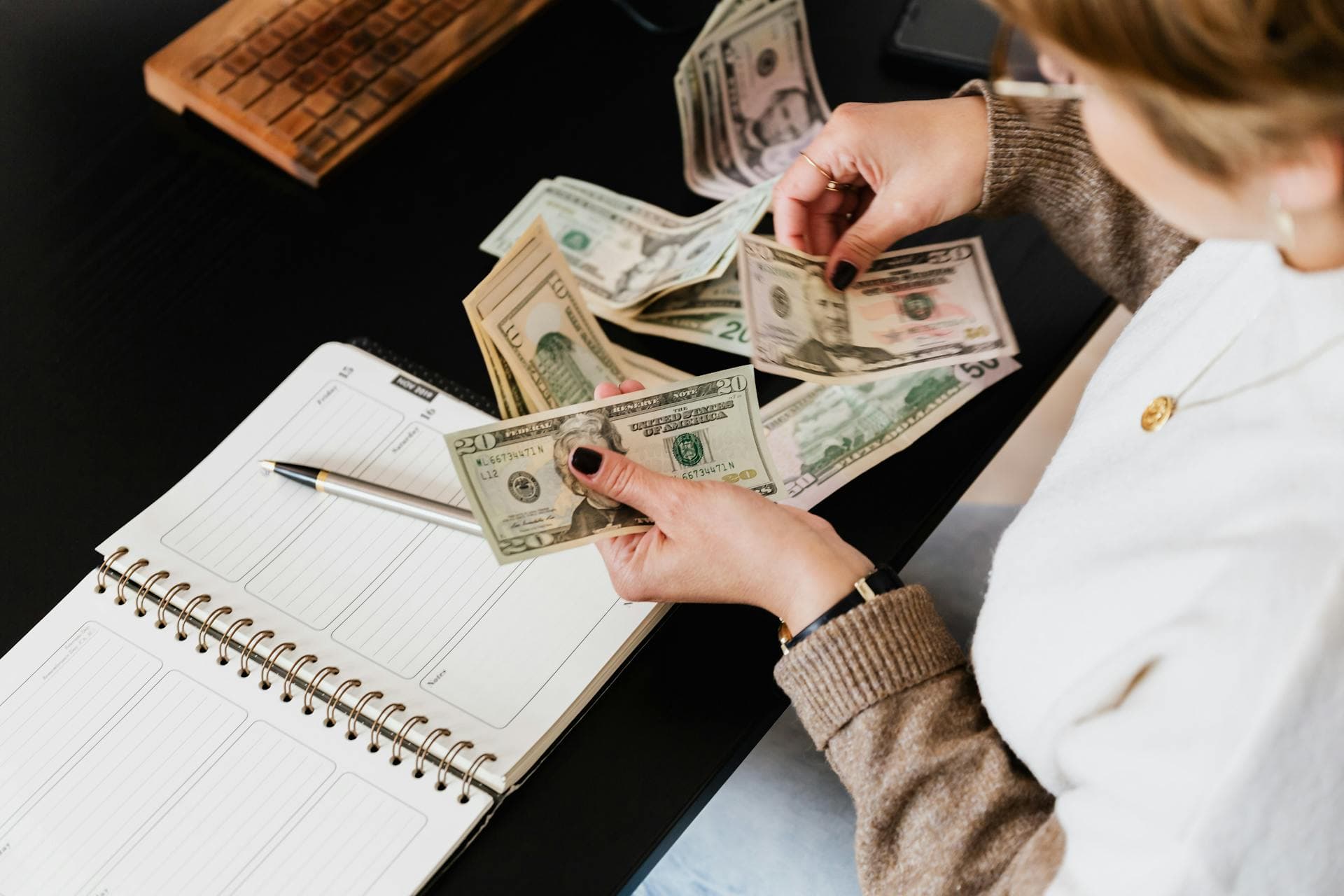
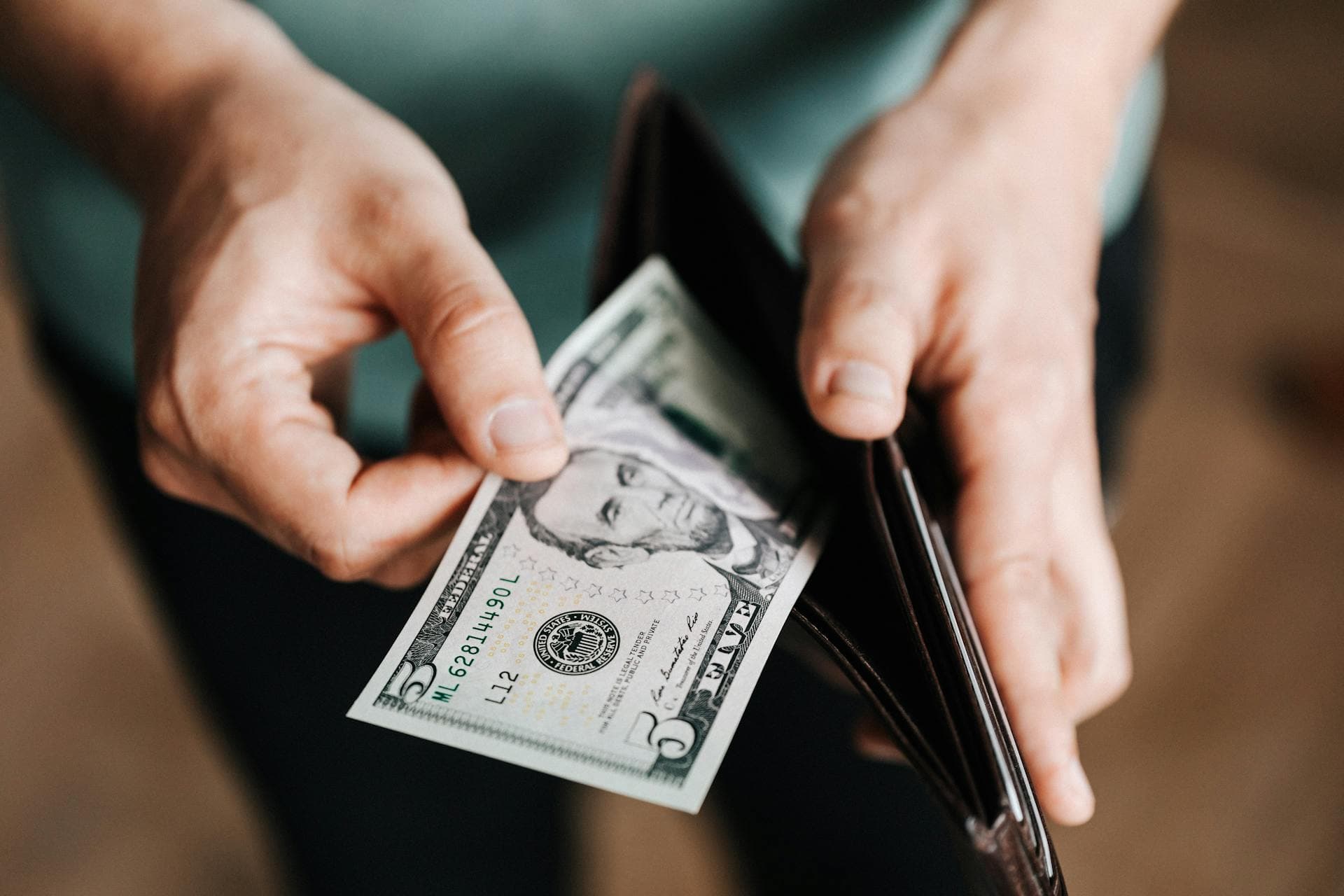
There is something visceral about handing over a crisp twenty-dollar bill. You feel it leave your hand. You watch it disappear into a register. And somewhere in the back of your mind, a small voice whispers: that money is gone.
That feeling — uncomfortable as it is — actually changes how people spend. And if you run a business in Florida, understanding this psychology could reshape how you think about revenue, customer behavior, and the payment options you offer.
The Pain of Paying
Behavioral economists have a term for that twinge you feel when parting with cash: the pain of paying. Coined by researchers at MIT and Carnegie Mellon, this concept describes the emotional discomfort associated with spending money.
Here is where it gets interesting. Not all payment methods trigger the same level of pain.
- Cash creates the highest pain of paying. You physically see and feel the money leaving your possession.
- Credit cards create the lowest pain. The transaction feels abstract — a swipe, a tap, a number on a statement you will deal with later.
- Debit cards and mobile payments fall somewhere in between, though they lean closer to the credit card experience.
A landmark study published in the Journal of Consumer Research found that people who paid with credit cards were willing to spend up to 100% more on the same item compared to cash payers. The abstraction of plastic removes the psychological brake that cash naturally provides.
So what does this mean for your business? It means cash customers are more intentional buyers. They have already committed mentally to spending before they walk through your door.
The Denomination Effect
Another fascinating phenomenon is the denomination effect, studied extensively by researchers Priya Raghubir and Joydeep Srivastava. Their findings were striking: people are far less likely to break a large bill than to spend the equivalent amount in smaller bills.
Give someone a single fifty-dollar bill, and they will hesitate before spending it. Give someone five ten-dollar bills, and they will spend more freely — even though the total amount is identical.
This has real implications for businesses:
- Customers carrying smaller denominations are more likely to make impulse purchases
- The act of "breaking" a large bill creates a psychological barrier that can prevent a sale
- Once a large bill is broken, customers tend to spend the remaining change more freely — a phenomenon researchers call the "what the hell" effect
For Florida businesses that depend on walk-in traffic — think souvenir shops, beachside restaurants, food trucks, and entertainment venues — this psychology plays out dozens of times per day.
Mental Accounting and Budget Categories
Nobel Prize-winning economist Richard Thaler introduced the concept of mental accounting — the idea that people mentally categorize their money into different "accounts" even when all dollars are fungible.
A tourist visiting Miami Beach might mentally allocate:
- $200 for dining out
- $150 for entertainment
- $100 for shopping
- $50 for "fun money"
Here is the key insight: cash makes mental accounting easier and more concrete. When someone pulls $50 from their wallet for "fun money," they know exactly how much they have to spend and are more likely to spend all of it. With a credit card, those mental boundaries blur, leading to either overspending (which creates post-purchase regret and fewer return visits) or underspending (because the lack of a clear budget makes people cautious).
Studies from the Journal of Marketing Research show that consumers who use cash for discretionary spending report higher satisfaction with their purchases. They feel more in control, less guilty, and more positive about the businesses they patronize.
For business owners, this translates to something powerful: cash-paying customers are happier customers.
The Endowment Effect and Physical Currency
Psychologists have long studied the endowment effect — our tendency to value things more highly simply because we own them. Physical cash triggers this effect in a way that digital balances cannot.
When customers hold physical money, they experience a subtle sense of ownership and control. The decision to spend becomes more deliberate, more meaningful. And research from the University of Toronto suggests that this deliberateness actually leads to higher satisfaction with the purchase — people feel they made a conscious choice rather than a mindless transaction.
This matters for businesses that rely on customer loyalty and repeat visits. A customer who feels good about their spending experience is a customer who comes back.
The Tipping Psychology
Perhaps nowhere is cash psychology more visible than in tipping behavior. Multiple studies have confirmed that customers tip more generously with cash than with digital payment methods.
A 2019 study in the Journal of Applied Social Psychology found that:
- Cash tips average 15-20% higher than credit card tips
- Customers who pay with cash are more likely to leave any tip at all
- The physical act of placing bills on a table or in a jar creates a social signaling effect — other customers see the tip and are influenced to tip similarly
For restaurants, bars, salons, and service businesses across Florida, this difference adds up to thousands of dollars in staff income annually.
What This Means for Florida Businesses
Florida's economy runs on tourism, hospitality, and service industries — sectors where customer psychology directly impacts the bottom line. Understanding how cash influences spending behavior is not just academic trivia. It is a strategic advantage.
Consider the implications:
- Cash-paying customers are more intentional, meaning they are less likely to dispute charges or experience buyer's remorse
- Smaller denominations increase spending frequency, particularly for impulse and add-on purchases
- Mental accounting with cash leads to higher customer satisfaction, which drives reviews, referrals, and repeat business
- Cash tipping supports staff retention, reducing the costly cycle of hiring and training new employees
The businesses that thrive are the ones that remove friction between customers and their preferred way of paying. If a significant portion of your customers want to pay with cash — or would benefit from having cash on hand — then making cash easily accessible is not a convenience. It is a revenue strategy.
One of the simplest ways to ensure your customers always have cash access is placing a free ATM in your business. There is no cost to you, it serves your customers, and it puts the psychology of cash to work in your favor every single day.
Ready to Put Cash Psychology to Work?
If you are a Florida business owner looking to increase customer spending, improve tips, and boost satisfaction, a free ATM placement could be the easiest change you make this year. Contact us today to learn how we place and maintain ATMs at no cost to your business.