Why Customers Leave Your Store Without Buying (and How to Fix It)

Why Customers Leave Your Store Without Buying (and How to Fix It)
They walked in. They looked around. They maybe even picked something up, examined it, put it back. And then they left.
No purchase. No conversation. Just a door closing behind them.
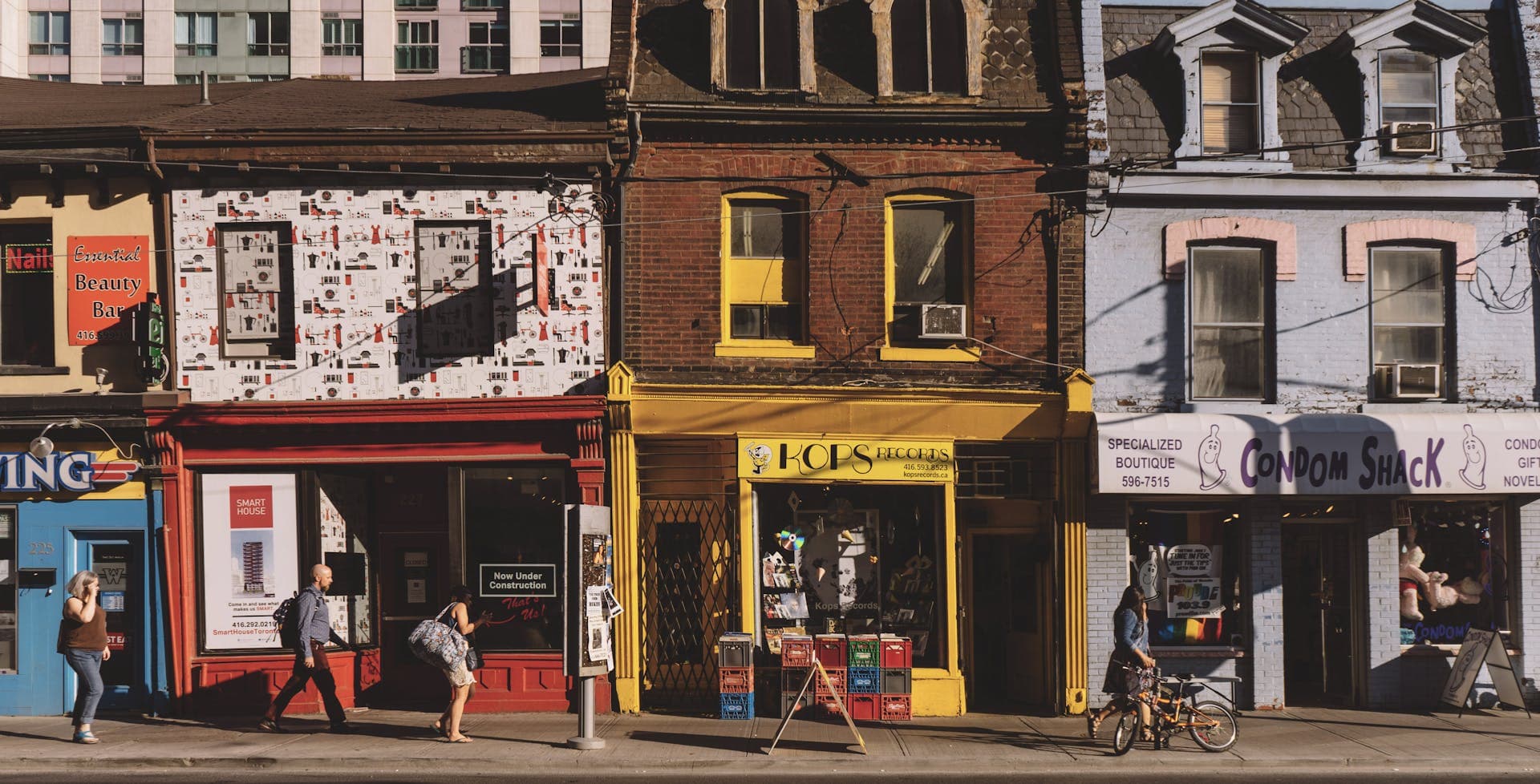
If you run a retail store, restaurant, or service business in Florida, this scene plays out more often than you think. Industry data suggests that the average retail conversion rate is only 20-40%, meaning the majority of people who enter your business leave without spending a dollar.
Some of that is unavoidable — browsers, comparison shoppers, people killing time. But a significant portion of those walkouts are preventable lost sales. Customers who wanted to buy, intended to buy, and left because something got in the way.
Here are the real reasons it happens — and what you can do about each one.
Reason 1: Decision Paralysis
You have probably experienced this yourself. You walk into a store with the intention to buy, and then you are confronted with too many choices. Thirty varieties of hot sauce. Fifteen styles of sunglasses. Eight different tour packages.
Psychologist Barry Schwartz calls this the paradox of choice — the more options people have, the harder it becomes to decide, and the more likely they are to decide nothing at all.
How to fix it:
- Curate, do not overwhelm. Feature a "staff pick" or "best seller" shelf to guide undecided customers
- Create clear categories that help people narrow down quickly
- Train staff to ask one good question that identifies what the customer needs, rather than listing everything you offer
- Limit visible options while keeping full inventory accessible for those who want it
Reason 2: Price Uncertainty and Sticker Shock
Nothing kills a sale faster than a customer picking up an item, flipping it over, and discovering a price they were not prepared for. The problem is rarely that the price is too high — it is that the customer had no frame of reference.
Research from the Baymard Institute shows that unexpected costs are the number one reason for cart abandonment in e-commerce, and the same psychology applies in physical stores. When the price surprises someone, their brain shifts from "buying mode" to "evaluating mode," and the momentum is lost.
How to fix it:
- Price everything clearly and visibly. No customer should have to ask what something costs.
- Use anchor pricing — display a higher-priced item next to your target item to make it feel like a better deal
- Offer a range of price points so customers can self-select into their budget
- Bundle products to create perceived value ("Get the hat and sunglasses together for $35")
Reason 3: Long Wait Times
Florida businesses — especially those in tourist-heavy areas — deal with seasonal surges that can overwhelm staffing. When customers see a long line or experience slow service, many will simply leave.
A study published in the Journal of Retailing found that perceived wait time matters more than actual wait time. A ten-minute wait that feels organized and progressing is tolerable. A five-minute wait that feels chaotic and uncertain is not.
How to fix it:
- Acknowledge waiting customers immediately, even if you cannot serve them yet. A simple "I'll be right with you" reduces perceived wait time by up to 30%.
- Create visible queue systems so customers know where they stand
- Offer something during the wait — samples, a menu to browse, or a display to look at
- Staff to your peaks, not your averages. If Saturday afternoons are busy, schedule accordingly.
Reason 4: The Store Environment Is Wrong
This one is subtle but powerful. Research from the Journal of Business Research shows that environmental factors — lighting, temperature, music, scent, cleanliness — directly influence purchase behavior.
A store that is too hot, too loud, too dark, or too cluttered triggers a subconscious "exit" response. Customers may not even realize why they feel uncomfortable. They just know they want to leave.
How to fix it:
- Keep the temperature comfortable. In Florida, this means aggressive air conditioning. A hot store empties fast.
- Control the music. It should match your brand and be at a volume that allows conversation.
- Maintain clean, open pathways. Cluttered aisles make people feel trapped.
- Lighting matters more than you think. Bright, warm lighting makes products look appealing and customers feel welcome.
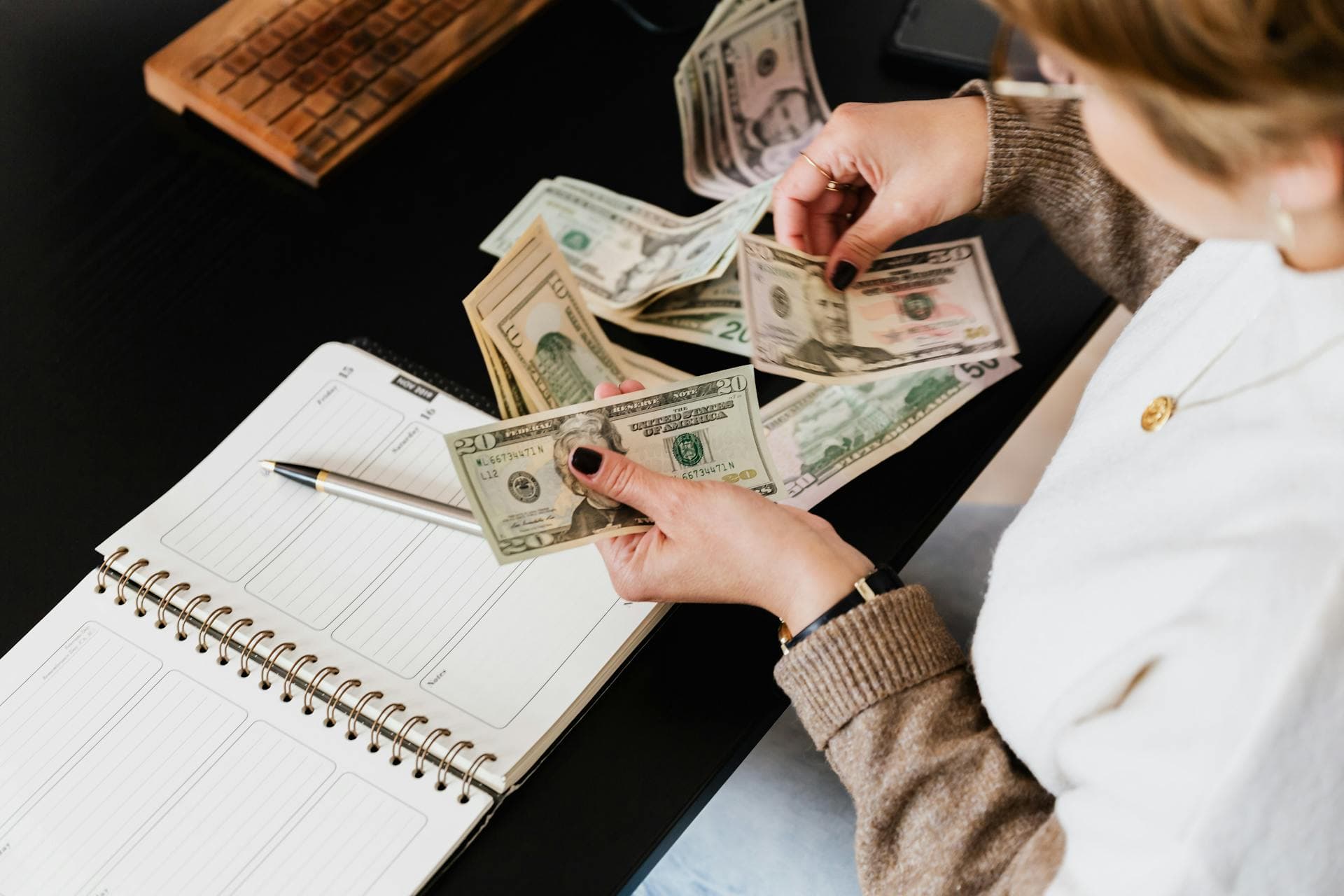
Reason 5: Payment Friction
This is the one most business owners overlook — and it is one of the most costly.
Payment friction occurs when a customer is ready to buy but encounters an obstacle in the payment process. It takes many forms:
- "Cash only" policies that surprise customers who only carry cards
- Card minimums ("$10 minimum for credit card") that discourage small purchases
- Broken or slow card readers that make checkout feel unreliable
- No way to tip with cash at a business where tipping is expected
- Vending machines, arcade games, or self-service kiosks that only accept cash — when customers do not have any
- Surcharges on card payments that feel punitive at the moment of purchase
Each of these scenarios creates a moment where the customer has decided to buy and is then told they cannot — at least not easily. That is the most expensive kind of lost sale because the marketing worked, the product worked, the experience worked, and then the transaction failed.
Payment friction is especially common in Florida's diverse business landscape:
- Flea markets and swap meets where many vendors are cash-only
- Beach and boardwalk businesses with unreliable Wi-Fi for card processing
- Food trucks and pop-ups that may only accept one payment method
- Bars and nightclubs where customers need cash for tips, cover charges, or vending
- Laundromats, car washes, and arcades with coin or bill-operated machines
How to fix payment friction:
The obvious answer is to accept every form of payment. But that is not always practical or affordable for small businesses. Card processing fees eat into thin margins. Equipment breaks. Internet goes down.
The other side of the equation — and the one most business owners miss — is making sure customers who prefer or need cash can easily get it.
When cash is accessible on-site, it solves multiple friction points simultaneously:
- Cash-only vendors stop losing sales from card-only customers
- Tip-dependent businesses see more cash tips flowing to staff
- Coin and bill-operated services stay in use instead of sitting idle
- Card minimum frustrations disappear because customers have a cash alternative
- Surcharge complaints drop because customers can choose how to pay
Reason 6: No Clear Call to Action
Sometimes customers leave because they simply did not know what to do next. This sounds absurd, but it is surprisingly common.
A customer walks in, looks around, and nobody greets them. There are no signs directing them. The checkout area is not obvious. They feel awkward and leave.
How to fix it:
- Greet every customer within 30 seconds of entering
- Use signage to direct flow: "Order here," "Browse our new arrivals," "Ask about our specials"
- Make the checkout area visible and inviting, not hidden in a corner
- End every customer interaction with a clear next step: "Can I ring that up for you?" or "Want me to set that aside while you look around?"
Turning Walkouts Into Sales
Every customer who leaves without buying represents revenue you already earned the right to collect. You paid for the marketing. You paid the rent. You staffed the shift. The customer showed up. The only thing that went wrong was something between their intent to buy and the actual transaction.
Fix the friction — especially payment friction — and you will convert more of those walkouts into sales.
One of the highest-impact, lowest-effort changes you can make is placing a free ATM in your business. It costs you nothing, it solves the cash access problem for your customers, and it quietly recovers sales you are currently losing every single day.
Stop Losing Sales to Preventable Friction
Ready to fix one of the easiest problems in your business? A free ATM placement removes payment friction, boosts customer satisfaction, and increases your conversion rate. Reach out today to see if your Florida business qualifies for a free ATM.