Your Bar Staff Is Losing Tips — Here's Why
Your Bar Staff Is Losing Tips — Here's Why
Your best bartender just put in their two weeks. Your most experienced server is picking up shifts at the place down the street. And the new hires you brought on last month are already complaining about the money.
You know the service is good. The drinks are strong, the food is solid, the atmosphere is right. So why are your people making less?
The answer might have nothing to do with service quality — and everything to do with how your customers are paying.
The Decline Nobody Talks About
There is a quiet crisis happening in bars and restaurants across Florida, and it is not about staffing shortages or rising food costs. It is about tipping.
According to data from Square and Toast, the average tip percentage on digital transactions has been steadily declining since 2022. While the pandemic initially drove tips up (consumers felt generous toward essential workers), that generosity has faded. Digital tip fatigue — the exhaustion of being prompted to tip at every checkout screen — has set in.
But here is what the data also reveals: cash tips have not declined at the same rate. In fact, at establishments where cash is commonly used, tip percentages have remained relatively stable.
The problem is not that people have stopped wanting to tip. It is that the shift away from cash has fundamentally changed tipping behavior.
Why Digital Tips Fall Short
If you have ever worked behind a bar, you know the difference between a cash tip and a credit card tip. It is not just a feeling — the numbers back it up.
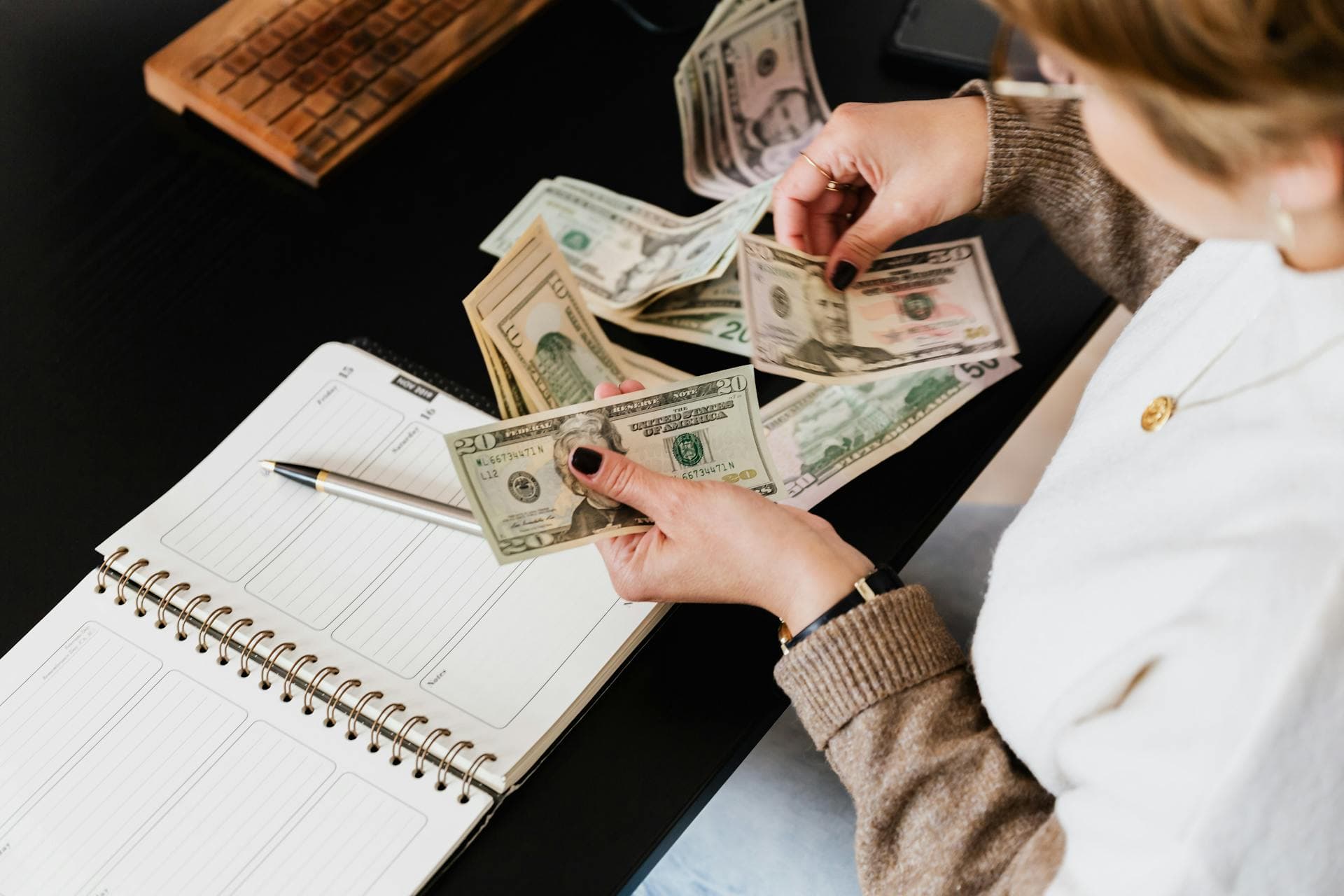
Cash tips are consistently higher than digital tips. Multiple industry studies confirm this:
- A Cornell University study on restaurant tipping found that cash tips average 16-18%, while credit card tips average 14-16%
- Cash tips are more likely to include round-up behavior (a customer pays a $7 tab with a $10 bill and says "keep the change")
- Customers who pay with cash are more likely to leave any tip at all compared to those who pay digitally
Several psychological factors drive this difference:
- Social pressure. Leaving cash on a bar top is a visible, public act. Other patrons can see the tip. Signing a credit card receipt is private. The social motivation to tip generously disappears.
- The tangibility effect. Handing physical money to a bartender creates a direct, personal exchange. Tapping a screen button feels transactional and impersonal.
- Tip fatigue and screen numbness. Customers who see tip prompts at every coffee shop, bakery, and takeout counter are increasingly hitting "No Tip" or selecting the lowest option out of frustration — even at full-service bars and restaurants where tipping is genuinely warranted.
- Mental accounting. Cash earmarked for "going out" is mentally pre-approved for spending, including tips. Credit card spending draws from a vague future obligation, making people more conservative.
The Real Cost to Your Staff
Let us put real numbers on this.
Consider a bartender working five shifts per week at a moderately busy Florida bar:
- Average tips per shift (cash-heavy environment): $180-$220
- Average tips per shift (card-heavy environment): $140-$170
That is a difference of $40-$50 per shift. Over a five-day work week, it adds up to $200-$250 per week. Over a year, your bartender is losing $10,000-$13,000 in income simply because of how customers are paying.
Now multiply that across your entire staff. A bar with six tipped employees could be collectively losing $60,000-$78,000 per year in tips.
These are not abstract numbers. This is rent money. This is the difference between a staff member who stays and one who leaves for a bar that somehow seems to pay better.
Staff Retention Is a Tipping Problem
The National Restaurant Association reports that the hospitality industry has an average annual turnover rate of roughly 75%. In Florida, where competition for experienced bar and restaurant staff is fierce, some establishments see turnover above 100%.
Every time an employee leaves, it costs you:
- $3,000-$5,000 in recruiting, hiring, and training costs for a bartender
- 2-4 weeks of reduced productivity while the new hire gets up to speed
- Lost customer relationships — regulars who followed that bartender will notice they are gone
- Inconsistent service quality during the transition period
When you trace the root cause, it often comes back to money. Bartenders and servers talk to each other. They compare nightly tips. They know which bars in town have better cash flow. And when they figure out that the bar down the street has more cash-paying customers — and therefore better tips — they make the rational decision to move.
Tip income is the single biggest factor in tipped employee retention, and cash access is the single biggest factor in tip income.
The Ripple Effects You Might Not See
Lower tips do not just affect your staff. They affect your entire operation:
- Service quality drops. Demoralized staff provide less attentive service, which leads to lower customer satisfaction and fewer return visits.
- Hiring gets harder. Word travels fast in the service industry. If your bar gets a reputation for low tips, experienced bartenders will not apply.
- Training costs compound. The more frequently you turn over staff, the more you spend on training — and the more often customers experience inexperienced service.
- Your online reviews suffer. Slow service from undertrained new hires leads to negative reviews, which reduces foot traffic, which further reduces tips. It is a vicious cycle.
What Smart Bar Owners Are Doing
The most successful bar and restaurant owners in Florida have recognized this pattern and taken steps to break it. Their approach is straightforward: make it easy for customers to access cash.
When customers have cash on hand, they tip more. When they tip more, staff earns more. When staff earns more, they stay longer. When experienced staff stays, service improves. When service improves, customers come back and bring friends.
It is a virtuous cycle, and it starts with a simple change.
The most effective solution is placing an ATM on-site. Not hidden in a back hallway — visible, accessible, and positioned near the entrance or on the way to the bar. When customers see it on the way in, many will grab cash before they even order their first drink.
A free ATM placement means there is zero cost to you as the business owner. The machine is provided, stocked, and serviced at no charge. Your only role is providing the floor space — and watching your staff's tips recover.
Give Your Staff a Raise Without Spending a Dime
If your best people are leaving or your new hires are complaining about money, the fix might be simpler than you think. A free ATM placement puts cash back in your customers' hands — and better tips back in your staff's pockets. Contact us today to find out how quickly we can get an ATM installed in your bar or restaurant.